

Women’s Healthcare in East Delhi
Gynecological, pregnancy, maternity, fertility and midlife care with Dr. Radha Jain.
Tell us what you need help with.
Share the main concern. Our team can help coordinate the right consultation with Dr. Radha Jain.
Start with the concern that sounds closest to yours.
Each service page explains what the consultation covers, what information can help and when to seek medical assessment.
Pregnancy Care
Antenatal consultation and monitoring across pregnancy.

Gynecological Care
Menstrual, hormonal, pelvic and reproductive health.
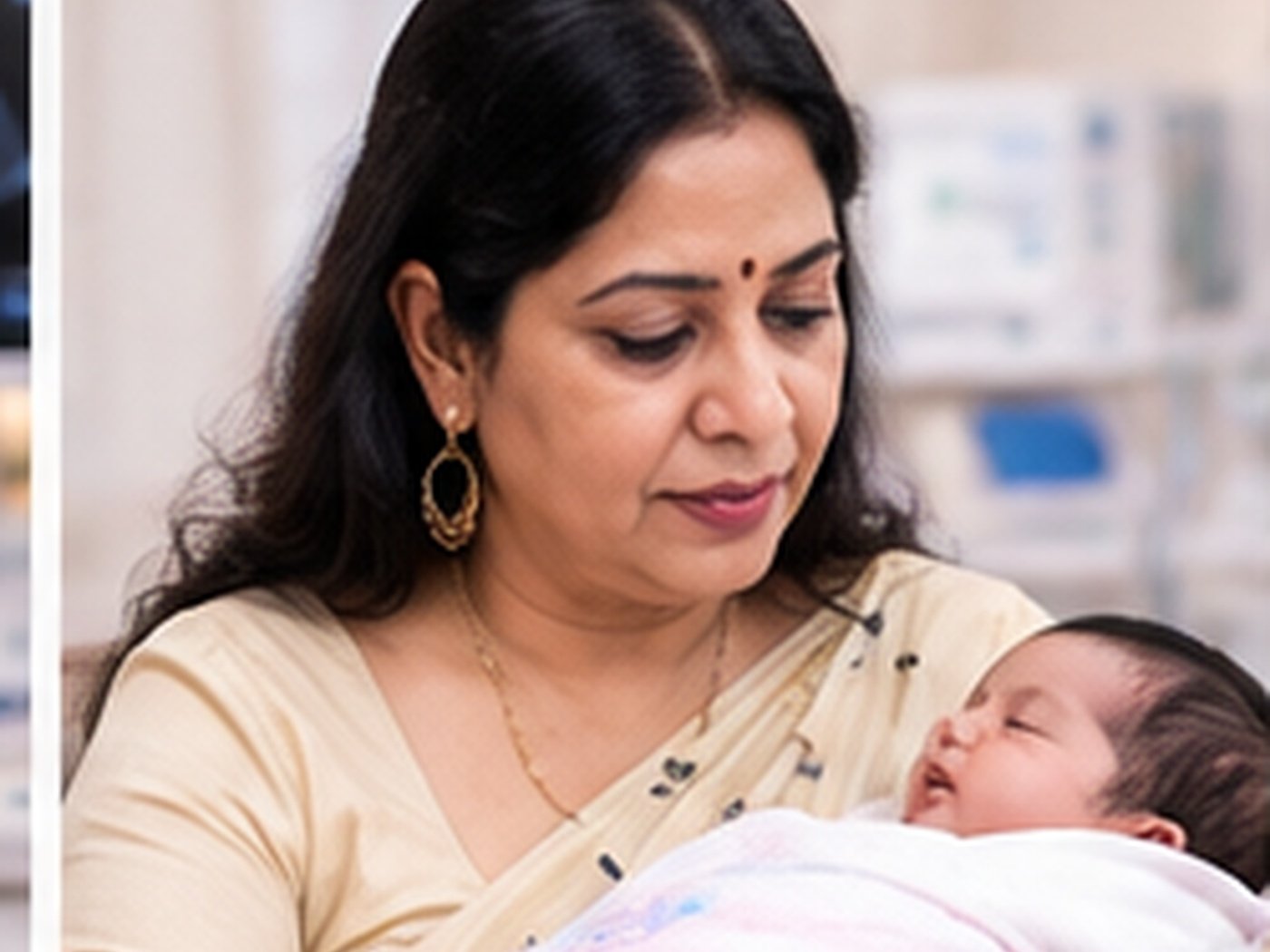
Maternity Care
Delivery-related continuity and postpartum support.

Fertility & Preconception
Planning pregnancy and discussing fertility concerns.

Menopause Care
Perimenopause, menopause and midlife concerns.

Women’s Health Care
A broader starting point for women’s health concerns.
Bring the story, not just the symptom.
A short timeline, previous reports and the questions you actually want answered can make a consultation much more useful.
What changed?
Note when the concern started, what makes it better or worse and anything that has already been tried.
Bring what you have.
Previous prescriptions, scans, vaccination records, discharge notes or school observations can provide useful context.
Ask what matters.
Tell the doctor what you are worried about and what decision you are trying to make. You do not need to use medical terminology.
One consultation can start with a symptom and uncover the bigger picture.
Women often adapt to menstrual pain, irregular cycles, hot flashes, pelvic discomfort or changes after childbirth for months before seeking help. A consultation is a chance to understand whether the symptom is expected, whether it needs investigation or whether another condition could be contributing.
Planning pregnancy
Women who are preparing for pregnancy may benefit from reviewing existing medical conditions, medicines, lifestyle, previous pregnancy history and reproductive goals. Fertility concerns can also be discussed when pregnancy is taking longer than expected or when there are known risk factors.
During pregnancy
Antenatal care follows the needs of the individual pregnancy. Symptoms, blood pressure, fetal growth, investigations and previous obstetric history all influence the plan. Severe bleeding, severe abdominal pain, significant breathlessness, fainting or other emergency symptoms should be assessed urgently.
After childbirth
Postpartum care includes more than checking physical recovery. Women may need support with bleeding, pain, contraception, breastfeeding questions, sleep and emotional wellbeing. New or severe symptoms should not be dismissed as simply part of recovery.
Midlife and menopause
Perimenopause can affect periods, sleep, mood and temperature regulation, while menopause can bring longer-term considerations around vaginal health, bone health and metabolic risk. Treatment is individual, and women should have a chance to discuss benefits, risks and alternatives with their doctor.
When should a woman book a gynecology consultation?
Book an appointment when a symptom is persistent, recurrent, unusual for you or interfering with daily life. This includes significant menstrual changes, pelvic pain, unusual discharge, fertility concerns, pregnancy planning and menopause symptoms that are difficult to manage.
What should I bring?
Previous reports, prescriptions, menstrual dates, pregnancy records and a short timeline of symptoms can be helpful. You do not need every document to start the consultation.
Can I ask about more than one concern?
Yes. Tell the doctor the main concern first and mention other relevant symptoms. The doctor can prioritise what needs attention and decide whether follow-up is useful.
For emergencies, use urgent medical services rather than the routine appointment process.
If something is persistently different, it is worth asking.
Women often know when a symptom is different from their usual pattern. A consultation can help determine whether the change is expected, needs monitoring or deserves further investigation.

Questions families often ask before booking.
If your concern is not listed, use the enquiry form and describe it in your own words.
Request an appointment →When should I see a gynecologist?+
Persistent, recurrent or unusual menstrual, pelvic, reproductive or hormonal symptoms are good reasons to schedule a consultation.
Can pregnancy planning be discussed before conception?+
Yes. Preconception consultation can review health history, medicines, previous pregnancies, cycles and questions before trying to conceive.
What should I bring to a women’s health consultation?+
Previous scans, laboratory reports, prescriptions, menstrual dates and pregnancy records can help when available.
What symptoms during pregnancy need urgent attention?+
Severe bleeding, severe abdominal pain, significant breathlessness, fainting, seizures or rapidly worsening symptoms need urgent medical assessment.
Two locations. One clear route to consultation.
Rishabh Vihar: 143, Court Road, Opp. Cross River Mall, Rishabh Vihar, Karkardooma, Anand Vihar, New Delhi, Delhi 110092, India.
Krishna Nagar: E-5/2, Ground Floor, Satanam Marg, Block E, Krishna Nagar, Delhi 110051, India.